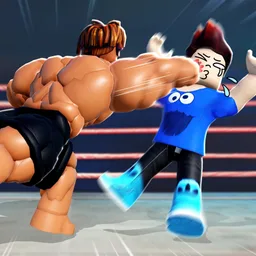
Train to Fight Food and Boosts Guide
Consumables, buff timing, and inventory tips for Train to Fight.
Food and boosts are the fastest way to compress grind time in Train to Fight if you use them with a plan. Random consumption wastes code rewards and Robux shop purchases alike. This page explains each common consumable type, when to eat it, and how it interacts with game passes.
Types of consumables
Code food — Granted by promo codes: hamburgers, sandwiches, fried chicken, energy drinks, milk, pecans, and similar items tied to like milestones.
Shop food — Purchased with in-game currency or Robux from the Shop menu. Often stronger than code items but repeats cost.
Event boosts — Limited-time consumables announced in latest updates during holidays such as Christmas/Xmas events.
Training vs PvP buffs
Training buffs accelerate machine gains and bar fills — use before manual sessions described in how to train faster. PvP buffs emphasize combat stats for Respect farming — eat before toggling PvP on in how to earn Respect.
Do not mix labels blindly: eating training food right before a duel may help less than a combat snack.
Code reward reference
Active codes currently map to common foods (verify on codes hub):
- NEW → hamburgers
- 100likes / DCBOOST → sandwiches
- 1KLIKES / 50KLIKES → fried chicken
- 5KLIKES → energy drinks
- 25KLIKES → milk
- 12KLIKES → pecans
Redeem via how to redeem before items rotate out.
Stacking rules
Inventory stacks duplicate foods. Active buffs may not stack — consume one item, read the HUD timer, then decide on a second. Pass multipliers from game passes sometimes multiply food effects; test on an alt if you are min-maxing.
Tier rankings
See food boosts tier list for S-through-D rankings updated with community testing.
Inventory tips
- Eat A-tier code food during early progression; save shop S-tier for Respect pushes.
- Clear C-tier items before new code drops to avoid cap confusion.
- After losing PvP, eat recovery snacks only if you plan an immediate rematch — otherwise return to safe training.
Related pages
Consumable priority list
Early accounts should spend code sandwiches and hamburgers within the same day they redeem — inventory clutter hides useful items. Mid-game accounts stock one fight food stack and one train food stack separately.
Shop vs code economy
When active codes dry up between milestones, shop food fills gaps. Compare price per buff minute instead of price per item. Sometimes two cheap code-tier items beat one expensive shop meal if buff timers overlap poorly.
Patch-day food behavior
Developers occasionally reset buff tables silently. If a familiar food stops moving the HUD meter, check latest updates and community Discord pins before assuming a bug.
Sharing with friends
Food binds to your account and cannot transfer. Coordinate code redemption parties in Discord so friends redeem the same milestone strings before expiry.
Meal planning analogy
Think of food like pre-workout meals: timing beats quantity. One sandwich before a focused ten-minute burst beats three sandwiches spread across an hour of AFK auto-train.
Late-game consumable drift
End-game players sometimes hoard code food out of habit. Spend hoarded items before buying shop tiers — free buffs free inventory slots for the next milestone code drop.
Frequently Asked Questions
Quick answers to the most common questions.
What does food do in Train to Fight?
Food grants temporary training or combat buffs depending on the item.
How do you get hamburgers and sandwiches?
Redeem codes such as NEW, 100likes, and DCBOOST from our codes hub.
Can you use food during auto-train?
You can, but manual training bursts benefit more from timed buffs.
Where is the food tier list?
See our food boosts tier list under the tier list hub.